Blog
Notes on haul roads, truck counts and fleet benchmarking.
16 Nov 2026
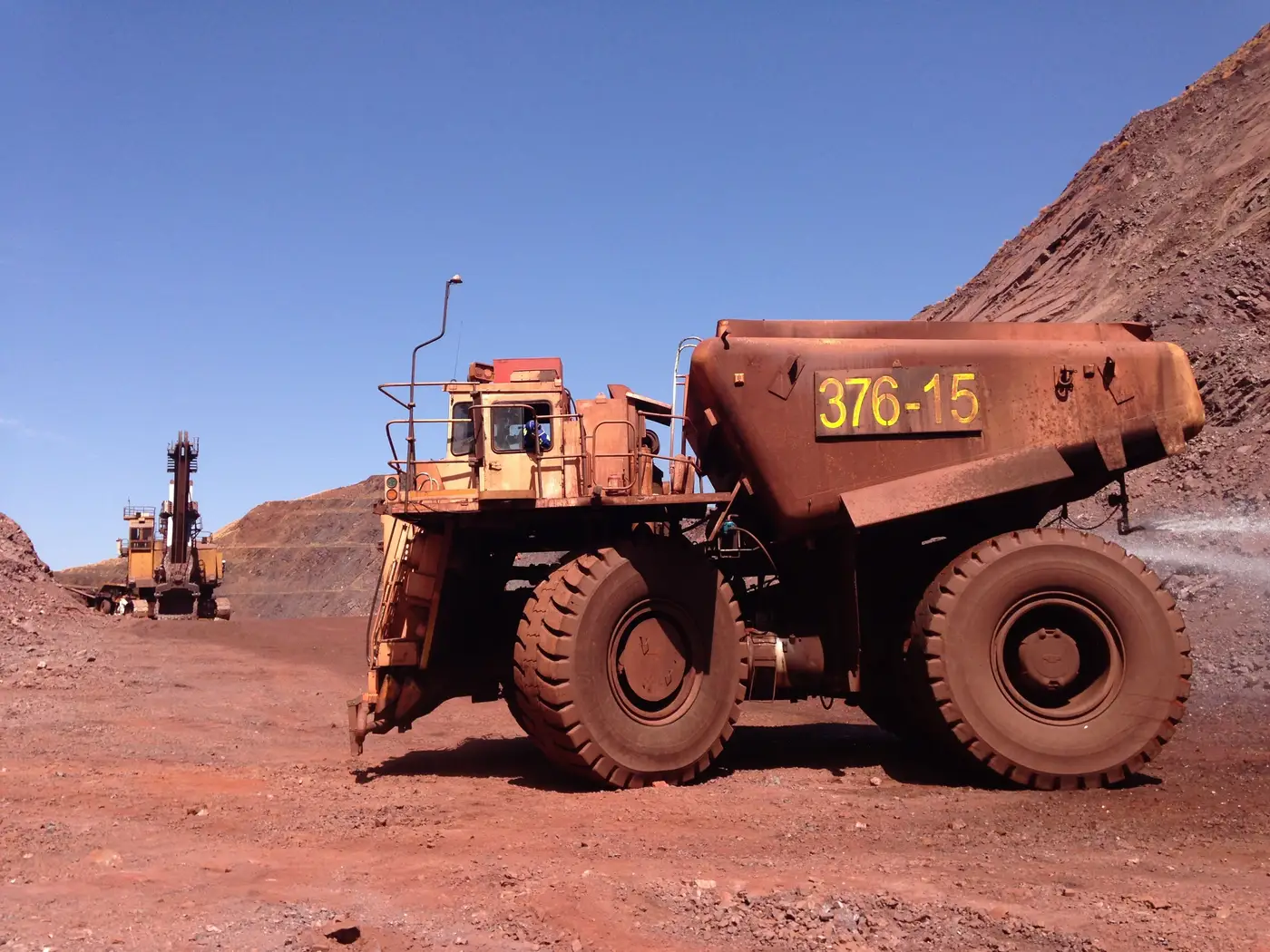 Field notes: the day two counts of the same pit didn't match
Two tallies off the same imagery, two different truck counts. Notes on why that happens and what it means for benchmarking haul activity from outside the fence.
16 Nov 2026
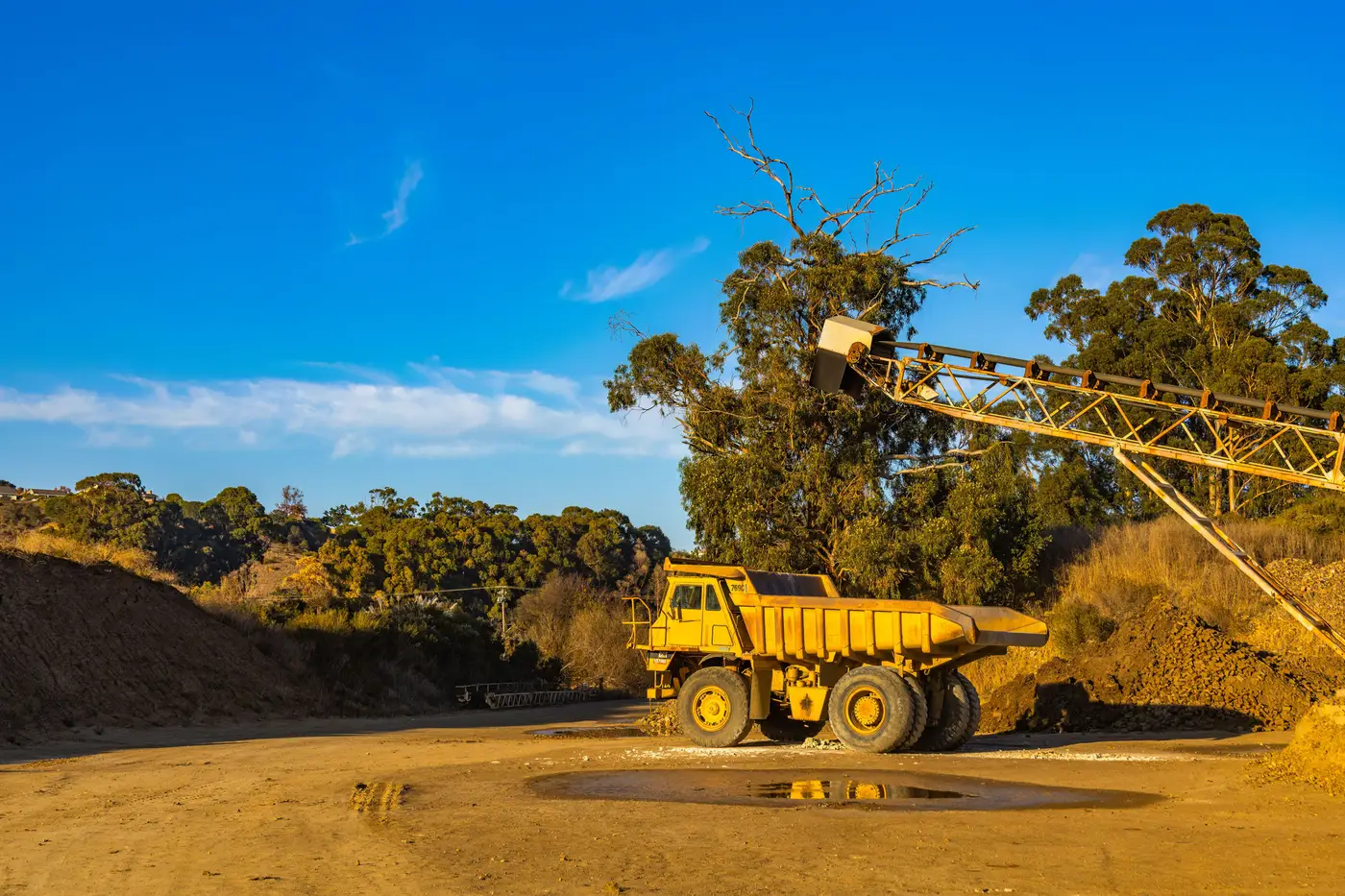 What is a truck-hour, and why it beats a raw truck count for fleet benchmarking
Why truck-hours, not raw truck counts, are the metric that tells you how hard a haul fleet is working, and how to get there without telematics.
9 Nov 2026
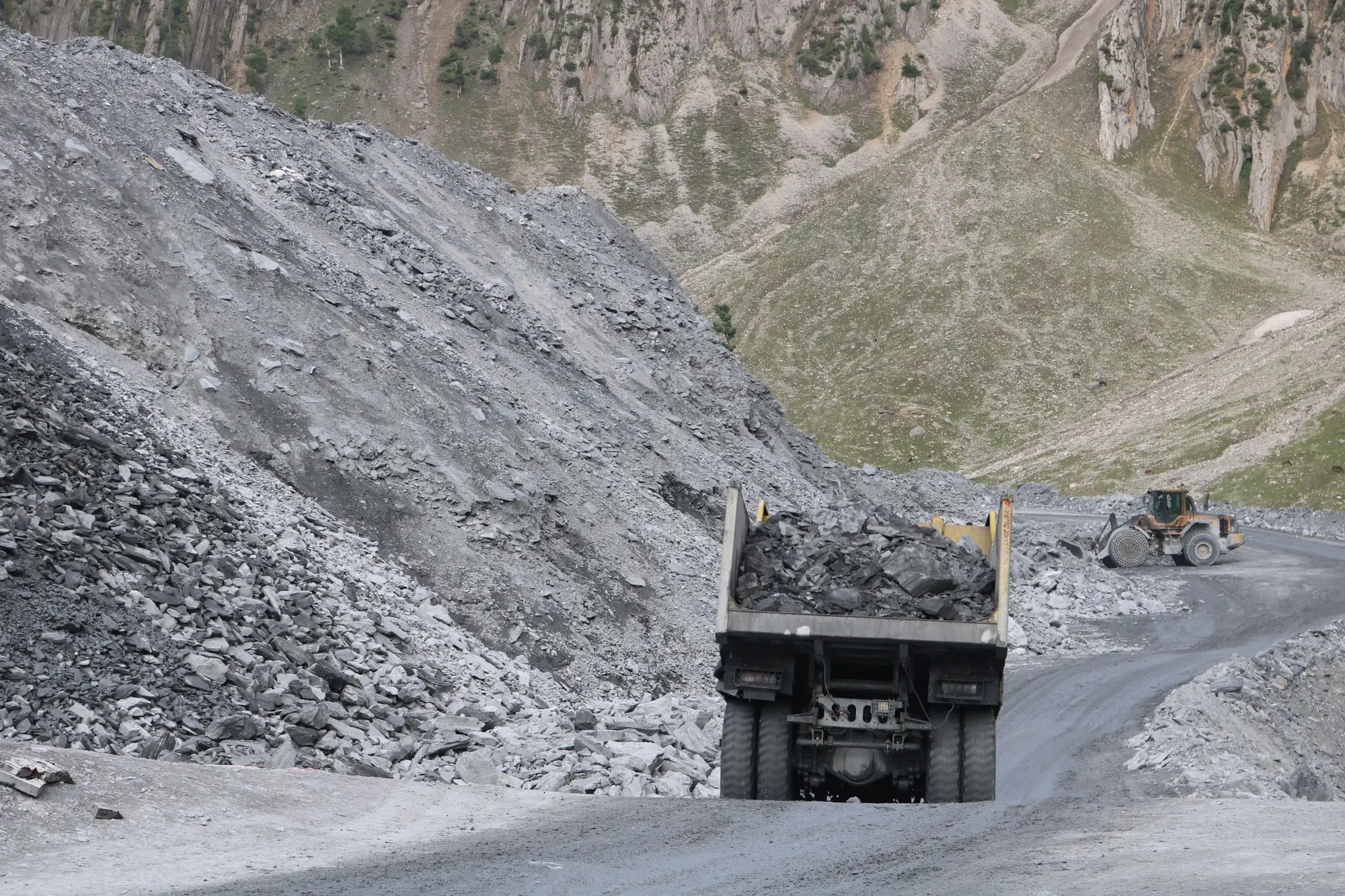 How many haul trucks does a typical open-pit mine run?
A field guide to typical haul truck fleet sizes by pit scale, and why truck count alone doesn't tell you much about fleet utilisation.
9 Nov 2026
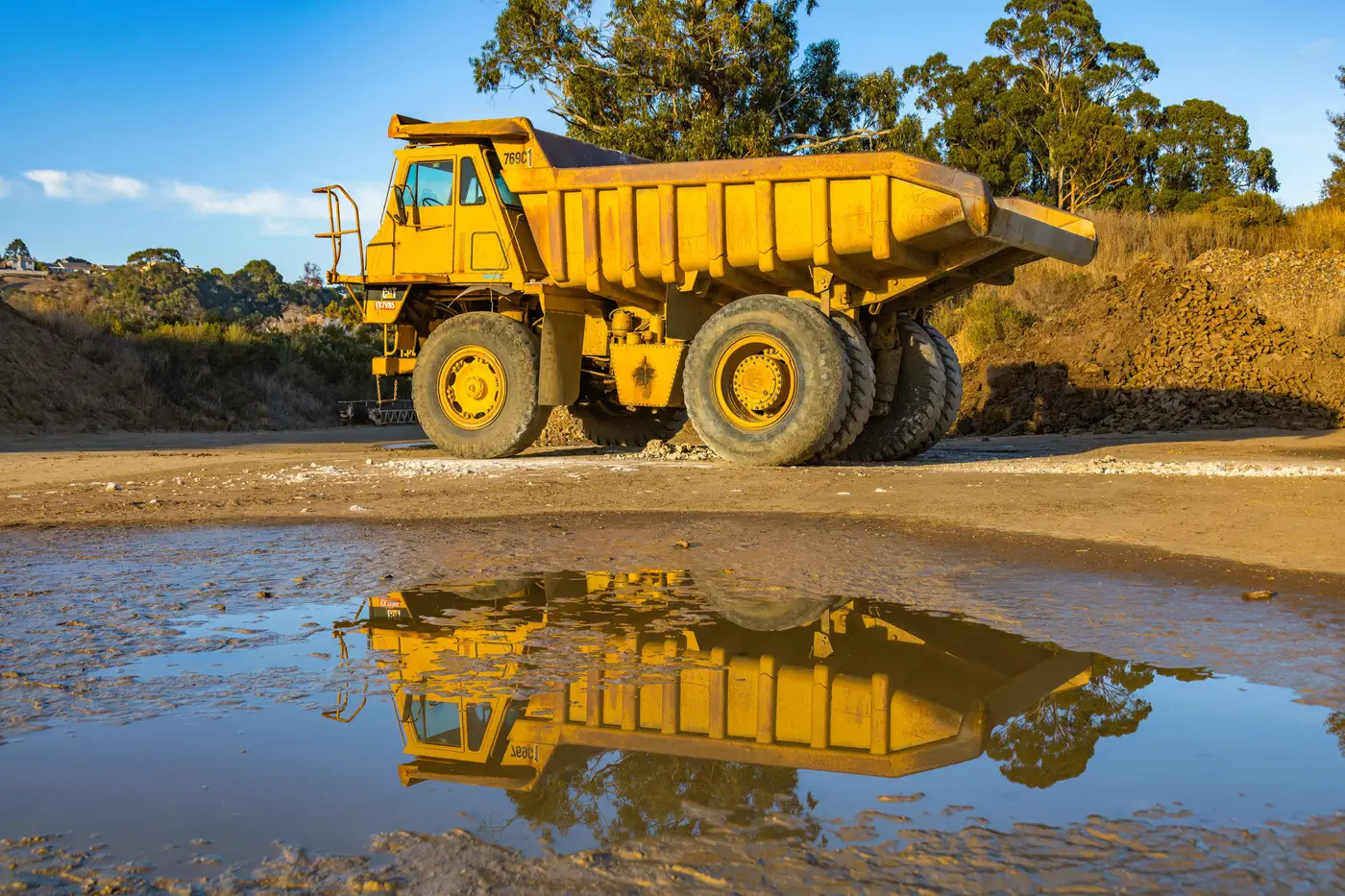 Spotting haul road rutting and washouts in satellite imagery
How to read rutting, ponding and washout signals on haul roads from VHR satellite and aerial imagery, especially through wet season.
2 Nov 2026
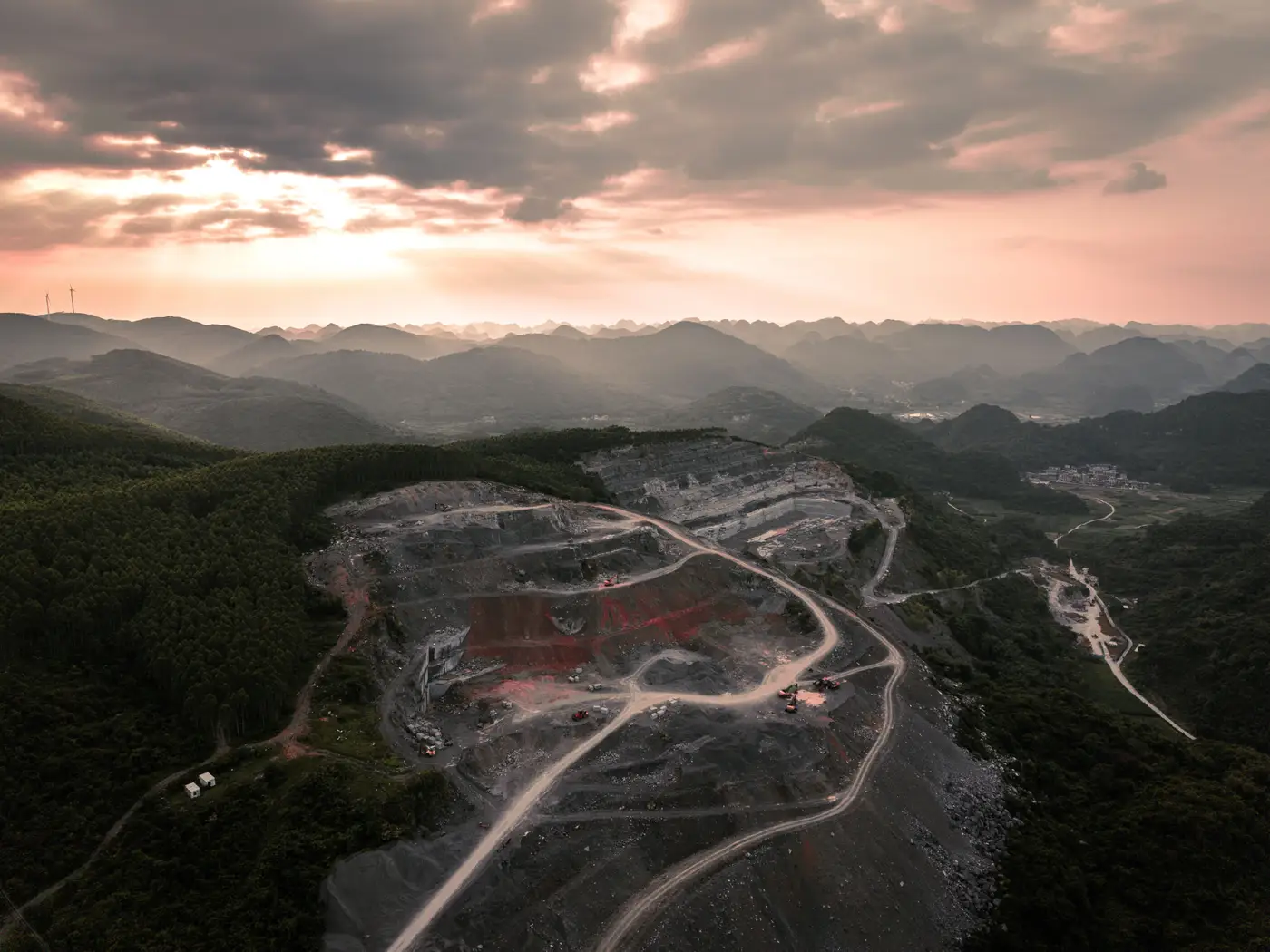 Field notes: the pit that ran three shifts on paper and two from the air
A pit rostered three shifts, but the haul road only shows two shifts' worth of truck activity. Here's what that gap usually means.
2 Nov 2026
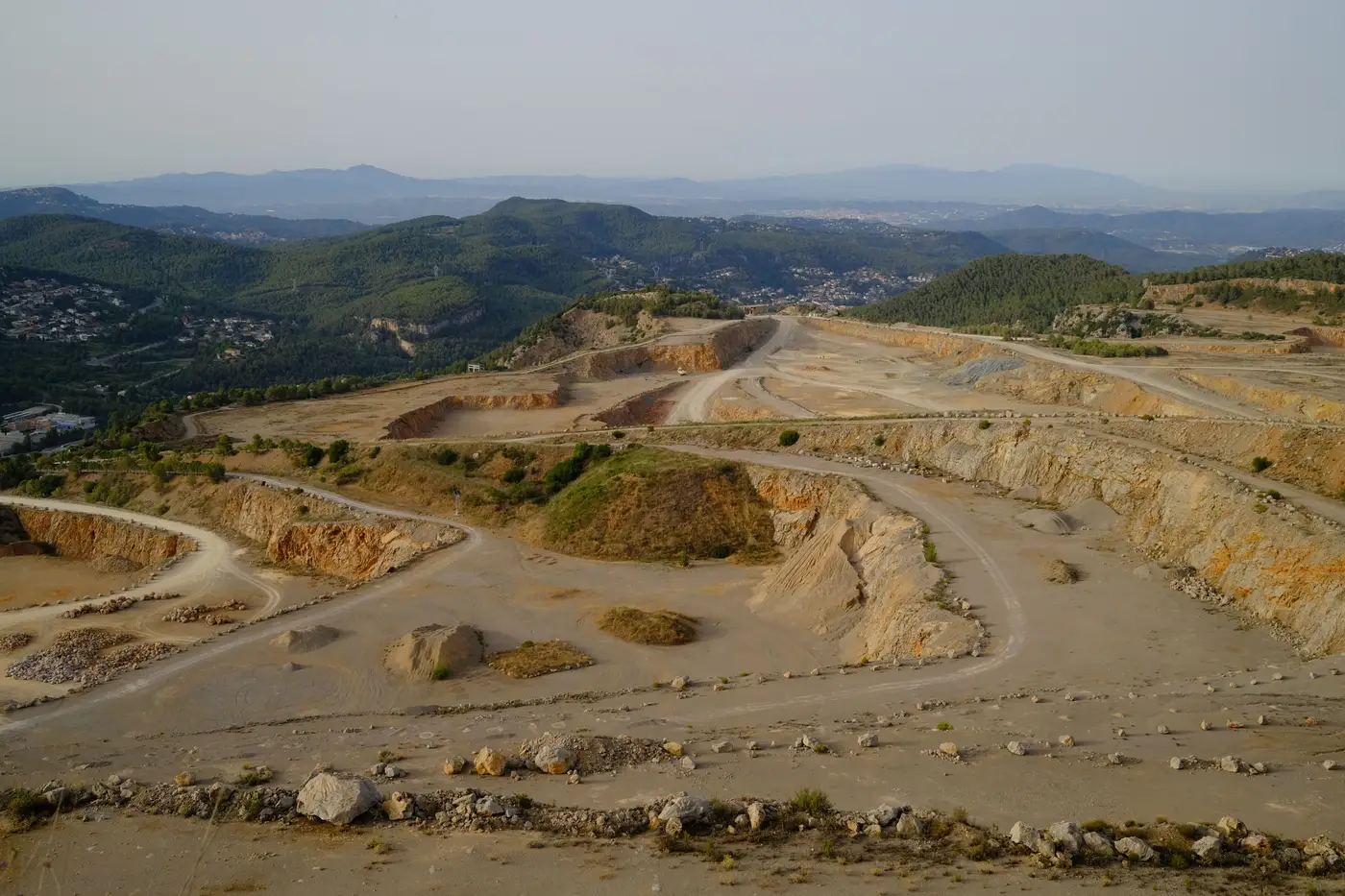 Haul road detour or permanent reroute? Reading the difference from above
How to tell a temporary haul road detour from a permanent reroute using VHR imagery: alignment, geometry, and traffic cues that settle it.
26 Oct 2026
Idle time vs queue time: telling stopped trucks apart in overhead imageryA stopped truck in a satellite frame could be queued at the crusher or sitting idle at the workshop. Here's how to tell the two apart.
26 Oct 2026
What is a dump point, and why it drives your haul cycle numbersA plain definition of a mine dump point, how crusher tips differ from waste dumps, and why dump point behavior is the hinge of any haul cycle analysis.
19 Oct 2026
Field notes: the month we counted trucks on a haul road we'd never drivenA month spent counting trucks on a haul road we never drove, and what road condition told us that the truck count alone couldn't.
19 Oct 2026
Utilisation vs availability: what each actually measures in a haul fleetMechanical availability and utilisation get used interchangeably on site. They measure different things, and mixing them up skews benchmarks.
14 Oct 2026
How to benchmark haul fleet activity across sites without a site visitA practical method for comparing haul fleet activity between pits using imagery alone, no site visit or telematics feed required.
14 Oct 2026
What is haul fleet utilisation, and how does it differ from mechanical availability?Mechanical availability and haul fleet utilisation measure different things. Here's the difference, and why it matters for benchmarking a haul fleet.
13 Oct 2026
How to read a shift change on a mine haul road from overhead imageryWhat a shift change dip really looks like in a single VHR pass, and how to tell it apart from a weather stoppage or maintenance hold.
13 Oct 2026
What is match factor in open pit mining, and why does it size a fleet?A plain explainer on shovel-truck match factor: the formula, what MF above or below 1 means, and why it drives open pit fleet sizing.
7 Oct 2026
How to calculate truck cycle time without telematics dataA method for estimating haul truck cycle time from truck counts and road geometry when telematics access isn't on the table.
7 Oct 2026
How to estimate mine production from truck counts aloneA method for turning daily haul truck counts into a production proxy when you don't have telematics or site access, with the caveats that matter.
7 Oct 2026
Rigid frame truck vs articulated dump truck: telling them apart in satellite imageryHow to distinguish rigid frame and articulated haul trucks in VHR satellite imagery using silhouette, shadow, and hinge-point cues.
7 Oct 2026
What is haul road rolling resistance, and why it drives cycle timeRolling resistance adds to grade resistance and eats into rimpull. Here's how road condition quietly stretches haul cycle times.