Field notes: the day two counts of the same pit didn't match
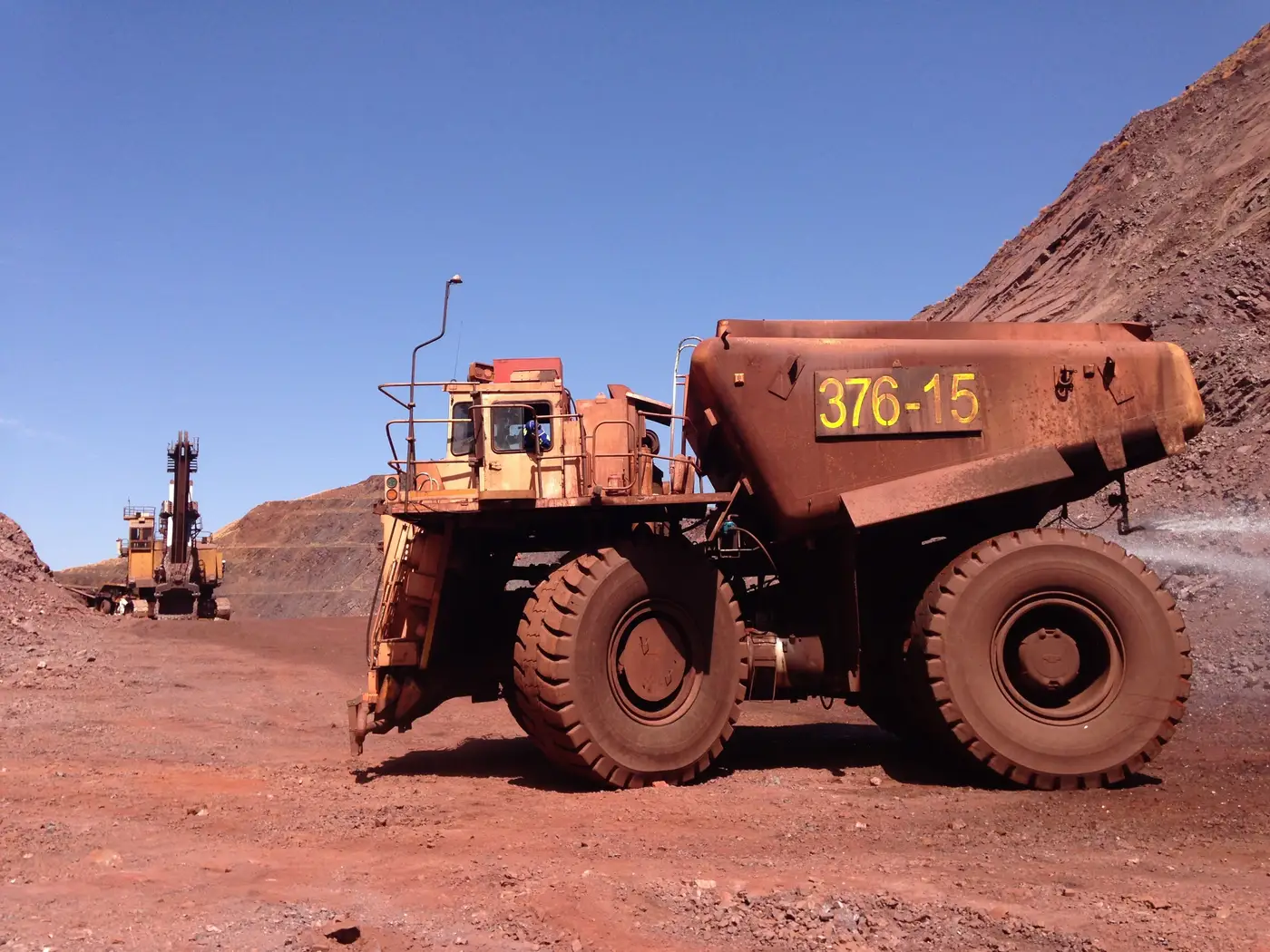
Two of us counted the same frame last month, off the same pit, same pass, same timestamp. One tally came back at nineteen units on the haul network. The other came back at twenty-three. Nobody moved a truck in between. We were looking at identical pixels and still landed four apart.
That kind of gap sounds like a problem with the method. Mostly it's a problem with what "a truck" means at the moment a shutter closes.
The easy misses are the parked ones. A loaded unit backed into the lee of a berm reads as shadow and rock until you know to look for the wheel shadow underneath it, which is a different shape than the shadow the berm throws on its own. Count fast and you skip it. Count slow and you start seeing trucks in every dark patch, which is its own kind of wrong.
The harder misses are the queued ones. Three or four units stacked nose-to-tail at a crusher feed or waiting on a shovel blend practically merge into one long shape from above. From the ground you'd never confuse them. From VHR, at a glance, that queue can read as two trucks or five depending on where you decide one roof ends and the next begins. We've started circling queue zones separately and counting them at lower speed, which helped, but it's still a judgment call made by a person looking at a picture, not a sensor reading a transponder.
Then there's dust. A plume off an active face can sit over a haul segment for several frames in a row if the wind's slack that day, and whatever's moving under it is a guess until the dust clears on a later pass. Time of day matters here more than people expect. A mid-morning pass with low sun angle throws long shadows that help you separate units parked close together. A near-noon pass flattens everything and some of that separation disappears.
None of this means the count is noise. It means a single count from a single pass is a snapshot with some give in it, and the number that actually tells you something is the shape of the trend across days, not the digit on any one Tuesday. If a pit's daily truck count on the haul network holds steady around the low twenties for three weeks and then drops to single digits for four straight days, that's a signal worth asking about, whether it's a blend change, a weather stand-down, or a fleet pulled for maintenance. The day-to-day wobble inside a normal range is mostly counting noise like the kind we ran into. The step change isn't.
That's the distinction that matters most for anyone trying to size up activity at a site they can't walk onto. If you're an analyst watching a competitor's pit from outside the fence, or an operator wanting a rough read on a neighboring operation's tempo, you're not going to get a number that matches their dispatch log, because you don't have their dispatch log. What you can get, if you're counting the same way on the same cadence, is a pattern you can trust relative to itself. That's what a daily haul-network count built for exactly this is trying to give you: not a replacement for telematics, a consistent outside read you can benchmark against week over week.
We re-counted that nineteen-versus-twenty-three pit the next morning on a fresh pass, clean light, no queue, no dust. Both of us landed on twenty-one. Close enough, and it told us more about method than either count from the day before did on its own.
If your own benchmarking runs into the same kind of gap, Mine Fleet Activity is worth a look before you chase a single day's number too hard.