How many haul trucks does a typical open-pit mine run?
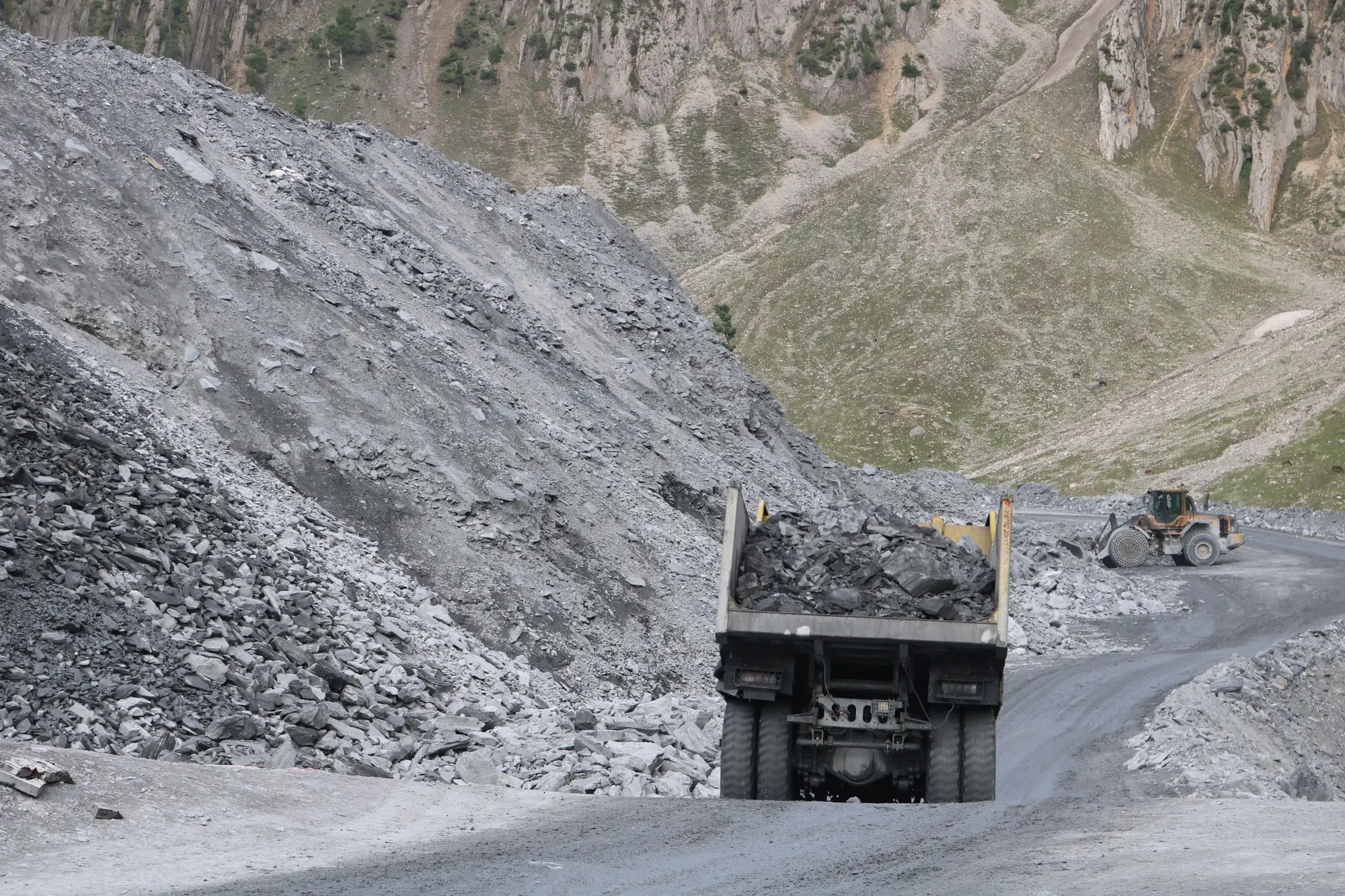
Ask ten mine managers this question and you'll get ten different answers, because the honest answer is "it depends on the pit." Still, there's a pattern worth knowing before you compare your fleet count to anyone else's.
Truck count isn't a headcount decision made in isolation. It falls out of three numbers: how many tonnes (or bank cubic metres) you need to move per shift, how far the material has to travel from face to dump or crusher, and what truck size you're running. Change any one of those and the fleet number moves with it, which is why "how many trucks should we have" is really a cycle-time question wearing a staffing question's clothes.
Rough fleet size by pit scale
For a small open-pit operation moving a few million tonnes a year with short hauls, six to twelve trucks in the 40-100 tonne class is common. These pits often run one or two shovels and don't need a huge fleet because cycle times are short and match factors stay tight.
Mid-size operations, the kind moving tens of millions of tonnes annually with haul roads stretching a kilometre or more, typically run somewhere in the 15-30 truck range, usually in the 150-240 tonne class. This is the segment where fleet size swings the most between otherwise similar pits, because a 10% difference in average speed on a ramp or a haul road in poor condition can add or subtract several trucks' worth of capacity.
Large operations, the ones with multiple pits feeding one plant or several loading units working simultaneously, can run 40, 60, even 100+ trucks when you're talking about the big 290-400 tonne ultra-class units spread across a sprawling network. At that scale, fleet count stops being a single number anyone quotes confidently and becomes a daily operating variable, because trucks cycle in and out for maintenance, haul routes get rerouted around blasting, and the "fleet size" on paper rarely matches what's actually rolling on a given shift.
Why the same tonnage target can need very different fleet counts
Two pits moving identical tonnage can need very different truck counts if their haul profiles differ. A pit with a short, well-maintained haul road and a tight queue at the shovel can move the same material with fewer, faster-cycling trucks. A pit with long hauls, steep grades, or a road surface that's deteriorated after a wet season needs more trucks parked in the queue just to hit the same number, because each truck is spending more of its cycle time traveling and less of it loaded.
This is the part that makes fleet-headcount comparisons tricky if you're an analyst working from outside the fence. You can estimate production targets from public reserve and reporting data, but headcount alone tells you almost nothing about whether a competitor is running lean and efficient or running a bloated fleet to compensate for bad roads and long cycles. You need some read on how many trucks are moving on a given day, and what the road network looks like, to turn a truck count into a real utilisation signal.
Benchmarking fleet activity without telematics access
If you're trying to size up your own fleet against industry norms, or estimate what a neighboring or competing operation is running, truck count by itself is a thin signal. What matters more is daily activity: how many trucks are on the network on a representative day, whether haul roads show the wear and grading issues that slow cycles, and how that compares week to week.
That's the gap Mine Fleet Activity is built for: a daily count of trucks on the haul network, plus a read on road condition, pulled from satellite and aerial imagery rather than site access or telematics feeds. It's aimed at operators who want a utilisation benchmark without pulling data from a dozen trucks' onboard systems, and at analysts who need an activity read on a pit they can't walk onto.
If a raw truck count isn't telling you what you need to know, start with a pilot on a defined haul network and see what a daily activity read looks like.