Field notes: the pit that ran three shifts on paper and two from the air
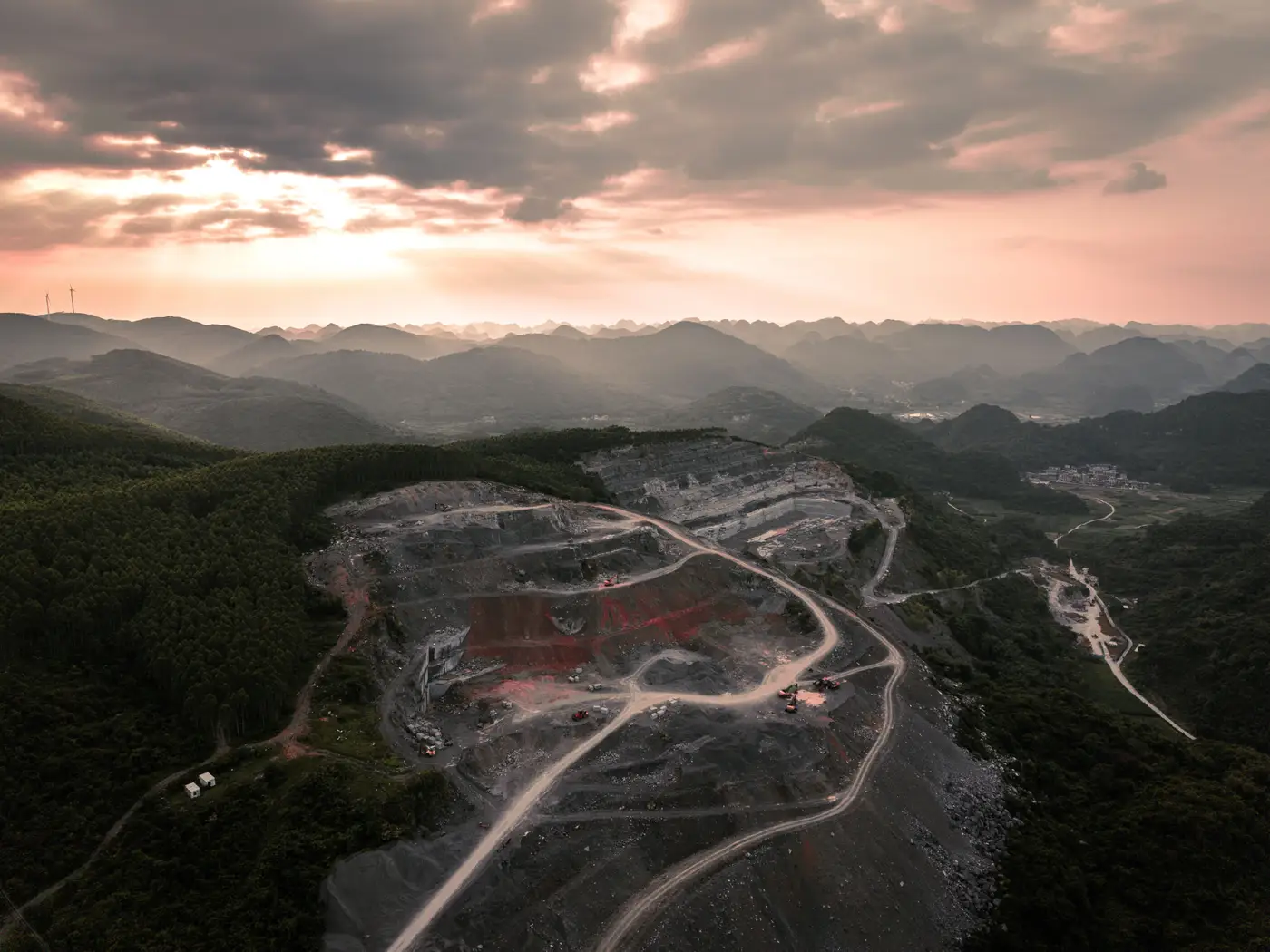
There's a pit in our sample set, and I won't say which one. It doesn't matter, because the pattern isn't rare. It publishes a three-shift roster: day, swing, graveyard, all staffed, all on the books. Reasonable production guidance follows from that. Three shifts of loaders feeding three shifts of haul trucks should produce a fairly even spread of truck movements across twenty-four hours.
It doesn't. Not even close.
We pulled imagery across the cycle for a few weeks, counting trucks on the haul network at different times of day, and the graveyard shift reads like a different operation. Fewer trucks moving. Longer gaps between passes at the same pinch points. Whatever's happening on site during that window, it isn't producing the truck density you'd expect from a fully staffed shift running a normal cycle.
This is the gap between a roster and a haul road, and it's one of the more useful things you can see from outside the fence.
A few things can cause it, and none of them require a conspiracy theory. Night shift might be running maintenance and drill support rather than full production haulage. That's a perfectly sane way to schedule a pit, but it means the "three shifts" headline overstates the trucking actually happening at 3am. Or the shift is nominally producing but running a smaller dig unit that night, two shovels instead of four, which thins the truck count without anyone changing the shift pattern on paper. Or, and this one shows up more than people expect, the night shift exists on the roster because labor agreements or FIFO scheduling require it, while the pit itself has quietly settled into a two-shift production rhythm and never updated the story it tells outside the fence.
None of those are scandals. They're just the kind of thing that doesn't show up in a quarterly report or a roster PDF, and does show up in truck counts.
For an operator, this matters directly. If your own benchmark pit shows two-shift truck activity against a three-shift roster, that gap belongs on the table before the board starts asking why unit costs are drifting. For an analyst trying to size a competitor's output without a site visit or a telematics feed, the shift mismatch is often the first real signal that headline production numbers and actual haul rhythm have drifted apart. When a press release claims three shifts and the haul road shows graveyard running at a fraction of day-shift density, the truck count is the number worth tracking.
The part that took us longer to appreciate is how road condition data sharpens the read instead of just confirming it. A thin night-shift truck count paired with a haul road that's visibly degrading, ruts holding water, grader passes clearly stopped, tells a different story than a thin count on a road that's maintained and tight. The first looks like a pit easing off, maybe winding down a phase and short-staffed on the grading crew too. The second looks like a pit that's deliberately running a lean night shift and keeping the road in shape for when full haulage resumes. Same truck count, two different operational stories, and the road condition is what separates them.
None of this requires access to the mine's dispatch system or its payroll. It's a daily truck count across the haul network plus a read on the road itself, built from imagery, checked against the roster rather than taken on faith from it. The gap between what's scheduled and what's rolling is where the interesting benchmarking questions live, and it's a gap you can only see if you're counting trucks on the ground, not shifts on a spreadsheet.
If you've got a haul network you'd like that same read on, from a benchmark pit or a competitor's, that's what we built this for.