Utilisation vs availability: what each actually measures in a haul fleet
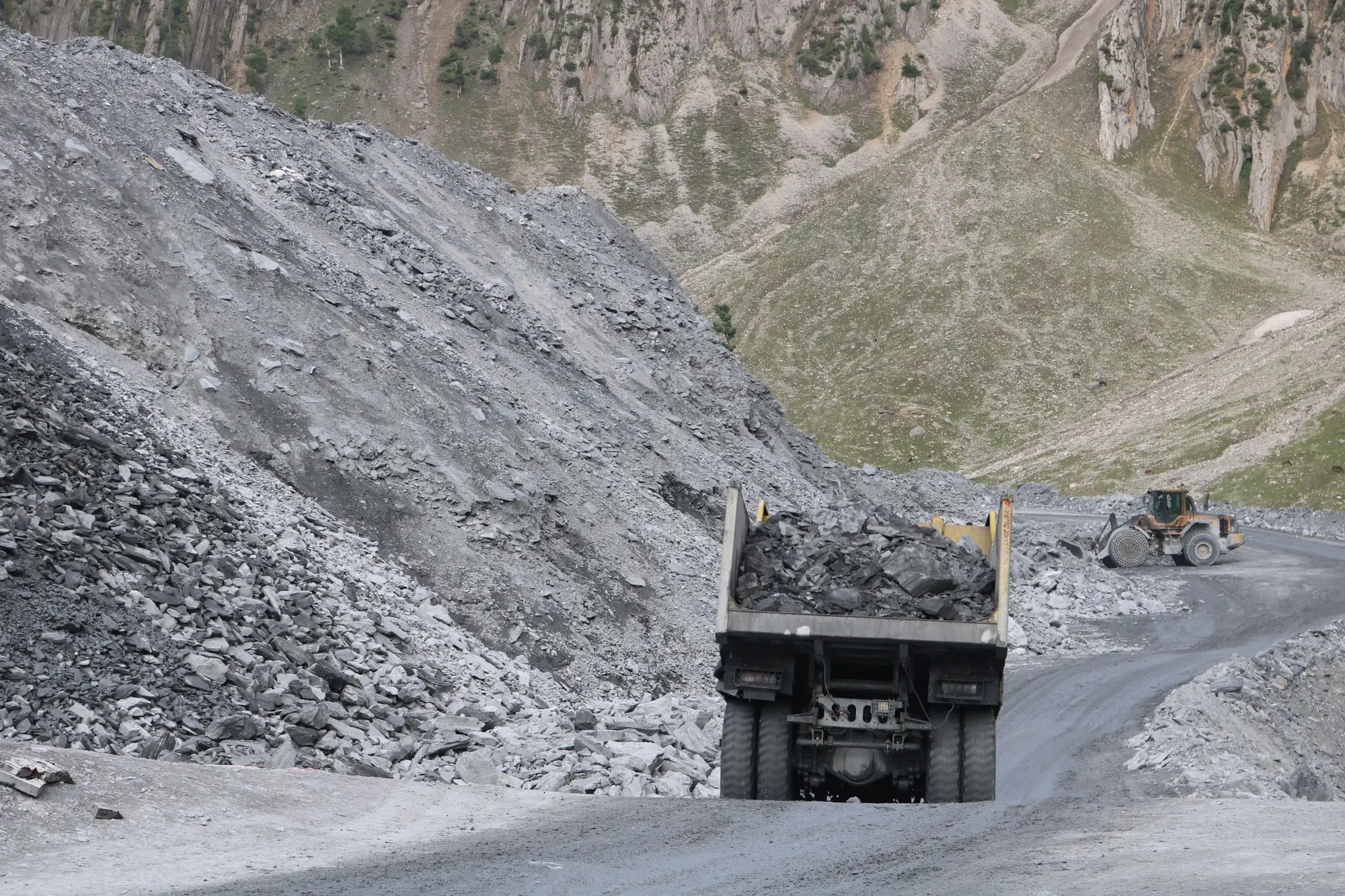
Ask three people on a mine site what "utilisation" means and you'll get three different answers. One means hours the truck ran versus hours it was scheduled. Another means tonnes moved against theoretical capacity. A third is really describing availability and just calling it by the wrong name. None of them are stupid for doing this. The terms genuinely overlap in everyday shift-report language, and the confusion costs real money when a fleet's KPI stack gets built on a mixed-up definition.
The four numbers that sit under "fleet performance"
Most OEM-style reporting frameworks break a truck's calendar hours into a chain of four figures, each one a filter on the one before it.
Physical availability (PA) is the hours the unit could have run, divided by scheduled hours, after taking out planned and unplanned maintenance. It's the broadest cut: is the iron even capable of moving.
Mechanical availability (MA) is close cousin to PA but usually strips out standby time differently depending on whose template you're using. This is the number maintenance planners live and die by, because it's theirs to defend. A truck down for a wheel motor rebuild drags MA down regardless of whether dispatch had any work for it.
Use of availability (UA) asks a different question: of the hours the truck was available to work, how many did it spend working rather than sitting idle waiting on a shovel, a crusher, or a crew change. This is where dispatch and operations start owning the number instead of maintenance.
Effective utilisation (EU), sometimes just called utilisation on its own, multiplies PA by UA. It's the one number that tells you what fraction of total calendar hours the truck spent doing productive haul work, mechanical condition and operating decisions combined.
The trap is treating EU as a maintenance metric or MA as a scheduling metric. They answer separate questions, and fixing one doesn't automatically fix the other. A fleet can run 92% mechanical availability and still post mediocre utilisation because trucks are queued at the crusher half the shift. A site with chronic MA problems can look fine on paper if dispatch keeps the few healthy units running flat out, masking a maintenance backlog that will eventually bite.
Why this split matters when you're reading a fleet from outside
Telematics gives you both halves, if you have access to it: fault codes and downtime logs for MA, GPS traces and queue times for UA. Benchmarking a competitor's operation, or sanity-checking an operator's own numbers against public filings, you don't get that feed. What you can get from imagery is simpler and blunter: how many trucks are moving on the haul network on a given day, and whether the road itself looks like it's carrying that traffic well or chewing itself up under it.
That's closer to a proxy for effective utilisation than for mechanical availability. A truck count that's steady week to week against a known fleet size tells you something about sustained haul activity, the output side of the equation, without telling you why a dip happened. A sudden drop could be a maintenance event, a weather stoppage, a shovel relocation, or a genuine production slowdown. The count alone won't sort those out. What it does give an analyst or a competing operator is a consistent, repeatable read on activity level that doesn't depend on anyone handing over a dispatch log.
Mine Fleet Activity builds that read from daily VHR imagery over a defined haul network: a truck count plus a road-condition flag, refreshed daily, so you've got a comparable activity series to sit alongside whatever utilisation and availability figures you're already tracking or trying to estimate. It's the number available when the dispatch log and fault codes aren't, which for most people reading a competitor's haul network from the public road is every single day.
If daily truck counts from outside the fence sound useful for your benchmarking work, that's exactly what Mine Fleet Activity is built to produce.